
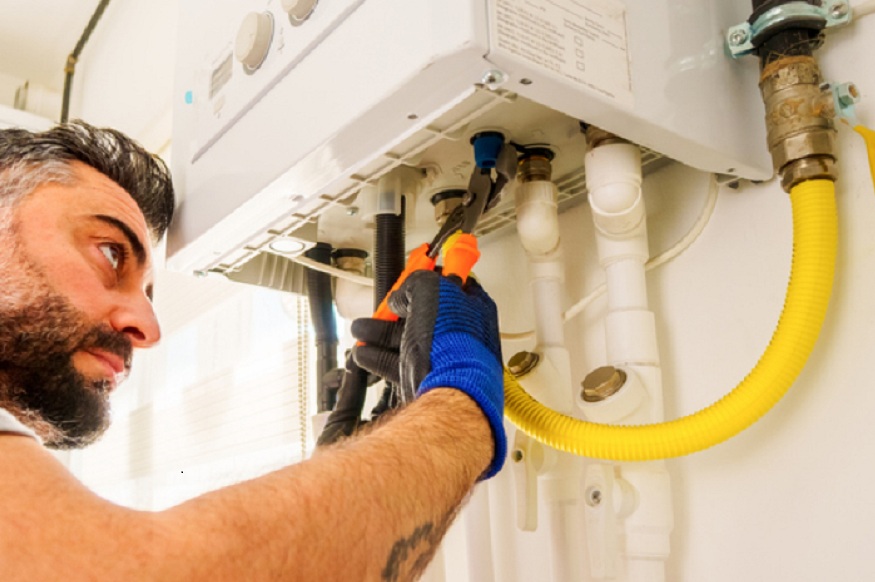
Gas plumbing is not like general household repairs—it involves highly specialised systems where even a small mistake can lead to serious consequences. While DIY projects can be appealing for saving money, gas-related work is an area where cutting corners can put your safety, your property, and even your neighbours at risk. Many homeowners underestimate the complexity of gas systems, assuming it’s similar to water plumbing, but the reality is very different. This is why engaging a licensed gas fitter Sydney homeowners can trust is not just recommended—it’s essential for ensuring compliance, safety, and long-term reliability.
The Serious Risks of DIY Gas Work
Gas leaks are one of the most immediate and dangerous risks associated with unqualified work. Even a minor connection error or poorly sealed joint can allow gas to escape, creating the potential for fire, explosion, or harmful exposure. Unlike water leaks, gas leaks are not always visible, which makes them far more dangerous. You may not realise there is a problem until it becomes a serious hazard.
Read More: Essential Tips to Prevent Drain Clogs Before They Happen
Another major concern is carbon monoxide exposure. Incorrect installation or faulty connections can lead to incomplete combustion, producing carbon monoxide—a colourless, odourless gas that can be life-threatening. Without proper ventilation and installation standards, the risk of exposure increases significantly, especially in enclosed spaces.
There are also legal and compliance issues to consider. In Australia, gas work must be carried out by a licensed professional to meet strict safety regulations. DIY gas plumbing not only voids warranties but can also lead to fines, insurance issues, and liability if something goes wrong. If damage or injury occurs as a result of unlicensed work, the consequences can be severe both financially and legally.
Why Professional Expertise Matters
A licensed gas fitter brings the knowledge, training, and certification required to handle gas systems safely and correctly. They understand how to properly install, test, and maintain gas lines, appliances, and fittings to ensure everything operates efficiently and within regulatory standards. This includes pressure testing, leak detection, and ensuring proper ventilation—all critical aspects that are often overlooked in DIY attempts.
Professional work also provides peace of mind. Knowing that your gas system has been installed or repaired correctly reduces the risk of future issues and ensures your home remains safe. In addition, licensed professionals can identify potential problems early, preventing them from developing into more serious and costly repairs.
Another advantage is long-term reliability. Properly installed gas systems are more efficient, reducing energy waste and improving appliance performance. This not only enhances safety but also contributes to lower running costs over time.
Read More: How to Choose a New Toilet Cistern
Ultimately, gas plumbing is not an area where shortcuts should ever be taken. The risks far outweigh any potential savings, and the consequences of mistakes can be severe. By relying on qualified professionals, you ensure your home is safe, compliant, and equipped with a gas system that performs reliably for years to come.
The Critical Importance of Compliance and Safety Standards
Building on the serious risks associated with unqualified gas work, adherence to regulatory standards is one of the most compelling reasons to rely on professional expertise. Gas systems are governed by strict safety codes designed to protect occupants, neighbouring properties, and the broader community. Engaging a licensed gas fitter Sydney residents rely on ensures that every installation, repair, or modification complies with these regulations. Licensed professionals are trained to interpret and apply these standards accurately, ensuring that all components—from gas lines to appliances—are installed and tested according to legally mandated requirements.
Compliance is not merely a bureaucratic formality; it is a fundamental safeguard against potential hazards. Certified gas fitters conduct thorough pressure testing and leak detection to confirm that systems operate safely under various conditions. They also ensure that ventilation and flueing systems are correctly configured to prevent the accumulation of harmful gases. Without this level of diligence, even seemingly minor oversights can compromise the safety of an entire property.
Understanding the Complexity of Modern Gas Systems
Gas plumbing systems are far more intricate than many homeowners realise. Beyond the visible connections to appliances such as stoves, heaters, and hot water systems, there exists an extensive network of pipes, regulators, valves, and safety mechanisms. Each component must be carefully calibrated to maintain the correct pressure and ensure efficient combustion. Any imbalance within this system can lead to performance issues or dangerous conditions.
Modern gas appliances often incorporate advanced technologies that require specialised knowledge for proper installation and maintenance. For example, high-efficiency systems depend on precise ventilation and combustion settings to operate safely. Attempting to install or modify such equipment without the necessary expertise increases the likelihood of malfunctions and reduces overall efficiency. Professional gas fitters possess the technical understanding needed to integrate these systems seamlessly into the home, ensuring both safety and optimal performance.
The Hidden Dangers of Improper Materials and Tools
Another significant risk of DIY gas plumbing lies in the use of inappropriate materials or tools. Gas systems require components specifically designed to withstand pressure variations and prevent leakage. Substituting these with unsuitable or incompatible materials can compromise the integrity of the entire system. Additionally, specialised tools are necessary to achieve secure connections and accurate measurements.
Licensed professionals have access to industry-approved materials and equipment, ensuring that every aspect of the installation meets safety standards. Their training enables them to select the correct fittings, sealants, and piping for each application. This attention to detail not only enhances safety but also contributes to the long-term durability of the system. In contrast, DIY attempts often overlook these critical considerations, increasing the likelihood of future failures.
Protecting Property Value and Insurance Coverage
Engaging a qualified professional for gas work also plays a crucial role in protecting the value of a property. Documentation of compliant installations and repairs provides assurance to prospective buyers that the home’s gas systems are safe and properly maintained. This can be a significant advantage during property transactions, where building and safety inspections are standard practice.
Insurance considerations further underscore the importance of professional involvement. Many insurance policies require that gas-related work be performed by licensed individuals to remain valid. Unauthorised modifications may result in denied claims if an incident occurs, leaving homeowners financially vulnerable. By ensuring that all gas work is carried out in accordance with regulatory requirements, homeowners can safeguard both their investment and their peace of mind.
Ensuring Efficient Appliance Performance
Properly installed gas systems do more than enhance safety—they also improve the efficiency and reliability of household appliances. Incorrect connections or pressure imbalances can cause appliances to operate inefficiently, leading to increased energy consumption and reduced performance. In some cases, these issues may shorten the lifespan of the appliances themselves.
Professional gas fitters conduct precise adjustments and testing to ensure that appliances receive the correct gas supply and function as intended. This optimisation not only enhances performance but also contributes to lower energy costs over time. Efficient operation reduces environmental impact and ensures that heating, cooking, and hot water systems deliver consistent and dependable results.
The Role of Preventative Maintenance in Gas Safety
While proper installation is essential, ongoing maintenance is equally important in ensuring the continued safety of gas systems. Over time, components may experience wear and tear, and environmental factors can affect their performance. Regular inspections by qualified professionals help identify potential issues before they escalate into serious hazards.
Preventative maintenance typically includes checking for leaks, assessing the condition of pipes and fittings, and verifying that ventilation systems remain unobstructed. These proactive measures extend the lifespan of the gas infrastructure and minimise the risk of unexpected failures. Homeowners who prioritise regular servicing benefit from enhanced safety and long-term reliability.
Emergency Response and Expert Troubleshooting
In the event of a gas-related emergency, the expertise of a licensed professional becomes indispensable. Situations such as suspected gas leaks, appliance malfunctions, or sudden pressure drops require immediate and knowledgeable intervention. Attempting to address these issues without proper training can exacerbate the problem and increase the risk of harm.
Licensed gas fitters are equipped to respond swiftly and effectively to emergencies, employing advanced diagnostic techniques to identify and resolve the underlying cause. Their ability to implement safe and compliant solutions ensures that the system is restored to proper working order with minimal disruption. This level of expertise provides homeowners with confidence during critical situations.
Environmental Responsibility and Sustainable Living
Professional gas plumbing also supports broader environmental and sustainability goals. Efficiently installed and maintained gas systems minimise fuel wastage and reduce greenhouse gas emissions. By ensuring optimal combustion and preventing leaks, licensed professionals contribute to more responsible energy use within the household.
Additionally, modern gas technologies often incorporate energy-efficient features that require precise installation to achieve their intended benefits. Professional expertise ensures that these systems operate at peak efficiency, aligning with sustainable living practices and helping homeowners reduce their environmental footprint.
Educating Homeowners on Safe Gas Practices
An often-overlooked advantage of engaging a licensed professional is the opportunity for homeowners to gain valuable knowledge about safe gas usage. During inspections or installations, professionals can provide guidance on recognising warning signs, maintaining proper ventilation, and responding appropriately in the event of a suspected gas leak. This education empowers homeowners to take an active role in maintaining a safe living environment.
Understanding simple safety measures—such as installing and maintaining carbon monoxide detectors, ensuring adequate airflow around appliances, and scheduling regular inspections—can significantly enhance household safety. This collaborative approach between professionals and homeowners fosters a culture of awareness and prevention.
Long-Term Peace of Mind Through Professional Expertise
Ultimately, the decision to rely on qualified professionals for gas plumbing work is an investment in long-term safety and reliability. The risks associated with DIY attempts far outweigh any perceived cost savings, and the potential consequences can be severe. By entrusting gas-related tasks to licensed experts, homeowners ensure that their systems are installed, maintained, and repaired to the highest standards.
Professional involvement not only mitigates immediate hazards but also provides enduring peace of mind. Knowing that the gas infrastructure within a home is safe, compliant, and efficient allows occupants to focus on their daily lives without concern. This assurance is invaluable, particularly when considering the critical role that gas systems play in modern households.
Conclusion: Prioritising Safety Over Short-Term Savings
Gas plumbing is a specialised field where precision, expertise, and adherence to safety standards are paramount. Attempting to undertake such work without the necessary qualifications exposes homeowners to significant risks, including fire, explosion, carbon monoxide poisoning, and legal liabilities. In contrast, engaging a licensed professional ensures compliance with regulations, protects property value, and enhances the efficiency and longevity of gas systems.
By prioritising safety and professional expertise, homeowners can confidently maintain a secure and reliable living environment. The long-term benefits of compliant and expertly executed gas work far exceed any short-term savings associated with DIY efforts, making professional involvement the only responsible choice for gas plumbing tasks.




Leave a Reply
You must be logged in to post a comment.