
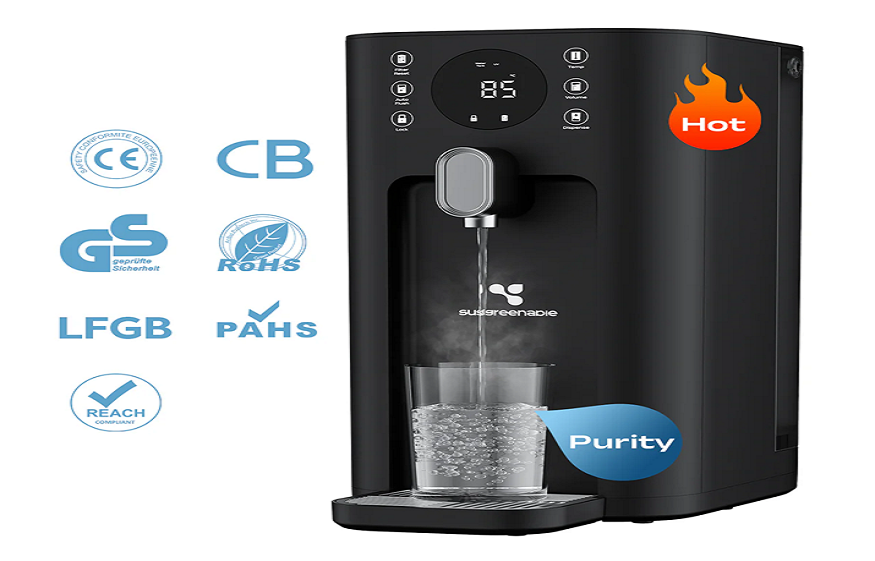
Access to clean and safe drinking water is essential for a healthy life. With increasing pollution, contaminants in water sources have become a serious concern for households around the world. This has led to a growing demand for water purification systems that ensure every drop you drink is safe. If you are searching for the best water purifier, understanding the different types, technologies, and features is crucial before making a decision.
Why You Need a Water Purifier
Tap water may look clean, but it can contain harmful impurities such as bacteria, viruses, heavy metals, chlorine, and pesticides. These contaminants can lead to serious health issues, including digestive problems and long-term illnesses. A water purifier acts as a protective barrier, removing these harmful substances and improving the taste and odor of water.
In many regions, water quality varies significantly. Even treated municipal water may carry residual chemicals or microorganisms. This makes investing in a reliable purification system not just a luxury but a necessity.
Types of Water Purifiers
To choose the best water purifier, it is important to understand the different types available in the market:
1. Reverse Osmosis (RO) Purifiers
RO purifiers are highly effective in removing dissolved salts, heavy metals, and harmful chemicals. They work by forcing water through a semi-permeable membrane, leaving contaminants behind. These systems are ideal for areas with high Total Dissolved Solids (TDS).
2. Ultraviolet (UV) Purifiers
UV purifiers use ultraviolet light to kill bacteria and viruses. While they are excellent for disinfecting water, they do not remove dissolved impurities. They are best suited for areas where biological contamination is the primary concern.
3. Ultrafiltration (UF) Purifiers
UF purifiers use a membrane to filter out bacteria and suspended particles. They do not require electricity and are suitable for areas with low TDS levels.
4. Activated Carbon Filters
These filters remove chlorine, bad odor, and organic compounds. They are often used as a pre-filter in combination with other purification technologies.
5. Multi-Stage Purifiers
Modern systems combine RO, UV, and UF technologies to provide comprehensive purification. These are often considered the best choice for households because they address multiple types of contaminants.
Read More: Creating Comfortable Outdoor Spaces on Any Budget
Factors to Consider When Choosing the Best Water Purifier
Selecting the right purifier depends on several important factors:
Water Quality
The first step is to test your water. If your water has high TDS levels, an RO purifier is recommended. For biological contamination, UV or UF systems are more suitable.
Storage Capacity
Choose a purifier with adequate storage based on your family size. A larger tank ensures you have clean water available even during power outages.
Maintenance Cost
Every water purifier requires regular maintenance, including filter replacement. Consider the long-term cost before making a purchase.
Electricity Consumption
Some purifiers, especially RO and UV systems, require electricity. If you live in an area with frequent power cuts, consider models with storage or non-electric options.
Installation and Space
Ensure the purifier fits your kitchen space and is easy to install. Wall-mounted models are ideal for compact kitchens.
Benefits of Using a Water Purifier
Investing in the best water purifier offers numerous advantages:
- Health Protection: Removes harmful contaminants and reduces the risk of waterborne diseases.
- Improved Taste: Eliminates unpleasant odors and improves the taste of water.
- Convenience: Provides instant access to safe drinking water at home.
- Cost-Effective: Reduces dependency on bottled water, saving money in the long run.
- Eco-Friendly: Minimizes plastic waste from bottled water consumption.
Common Mistakes to Avoid
When purchasing a water purifier, people often make avoidable mistakes:
- Ignoring Water Testing: Buying a purifier without analyzing water quality can lead to ineffective purification.
- Choosing Based on Price Alone: Cheaper models may lack essential features or durability.
- Skipping Maintenance: Neglecting filter replacement can reduce efficiency and compromise water quality.
- Overlooking Certification: Always check for quality certifications to ensure safety standards.
Latest Trends in Water Purification
The water purification industry is evolving with advanced technologies and smart features:
- Smart Purifiers: Equipped with digital indicators for filter life and water quality monitoring.
- Alkaline Water Systems: Enhance pH levels for better hydration and health benefits.
- Portable Purifiers: Ideal for travelers and outdoor enthusiasts.
- Eco-Friendly Designs: Reduce water wastage during purification.
Many modern brands are also focusing on design and energy efficiency, making purifiers more user-friendly and visually appealing.
Read More: The Three Signs Your Deck Needs Professional Help (Not Just a Quick Clean)
Choosing the Right Brand
With numerous brands in the market, selecting a reliable one can be challenging. Look for companies with strong customer support, warranty, and positive reviews. A trusted brand ensures durability and consistent performance.
Some innovative brands are introducing compact and stylish purifiers that blend seamlessly with modern kitchens. For instance, products like Ciarra One highlight how technology and design can come together to enhance user experience while maintaining high purification standards.
Maintenance Tips for Long-Term Use
To keep your purifier functioning effectively, follow these maintenance tips:
- Replace filters as recommended by the manufacturer.
- Clean the storage tank regularly.
- Ensure proper installation to avoid leakage or contamination.
- Schedule periodic servicing for optimal performance.
Proper maintenance not only extends the life of your purifier but also ensures consistent water quality.
Environmental Impact
Water purifiers, especially RO systems, can waste some water during the filtration process. However, newer models are designed to minimize wastage and improve efficiency. You can also reuse rejected water for cleaning or gardening purposes to reduce environmental impact.
Choosing energy-efficient models further contributes to sustainability while lowering electricity bills.
Conclusion
Finding the best water purifier requires careful consideration of your water quality, budget, and household needs. With various technologies available, it is important to choose a system that effectively removes contaminants while being cost-efficient and easy to maintain.
Clean drinking water is not something to compromise on. A good water purifier ensures the health and safety of your family while providing peace of mind. By understanding your requirements and exploring available options, you can make an informed decision and enjoy safe, pure water every day.
Ultimately, investing in the right water purifier is an investment in your health and well-being. Take the time to research, compare, and select a system that meets your needs, and you will reap the benefits for years to come.





Leave a Reply
You must be logged in to post a comment.