
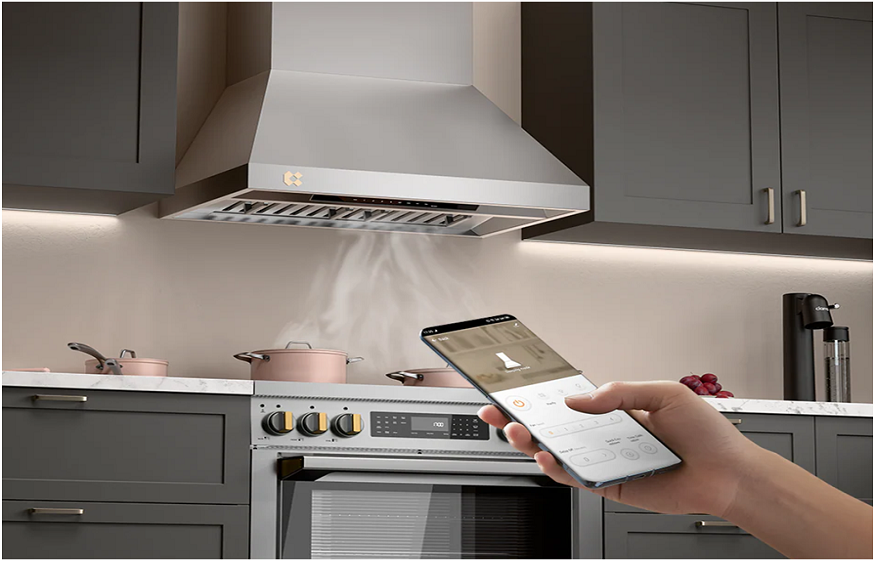
When it comes to designing a functional and stylish kitchen, one often overlooked element is the range hood insert. While many homeowners focus on countertops, cabinets, and appliances, the right ventilation system is critical for maintaining a clean, safe, and comfortable cooking environment. A well-chosen range hood insert not only removes smoke, grease, and odors but can also enhance the overall aesthetic of your kitchen. In this guide, we’ll explore everything you need to know about range hood inserts—from types and features to installation tips and maintenance advice—so you can make an informed decision.
What Is a Range Hood Insert?
A range hood insert, also known as an insert hood, is a ventilation system designed to be integrated into custom cabinetry or a decorative hood. Unlike traditional standalone hoods, inserts are built-in and concealed, giving your kitchen a seamless and modern appearance. The insert itself contains the motor, fan, and filters, while the surrounding cabinetry can be styled to match your kitchen’s design. This makes range hood inserts a favorite choice for homeowners who want both functionality and aesthetics.
Why Choose a Range Hood Insert?
Range hood inserts offer several advantages over traditional hoods:
- Customizable Design: Because the insert is built into your cabinetry, you can match it with wood panels, stainless steel, or other materials to complement your kitchen’s décor.
- Powerful Ventilation: Many range hood inserts come with high-performance fans capable of handling heavy cooking fumes, making them ideal for gourmet kitchens.
- Quiet Operation: Inserts often feature advanced noise-reduction technology, allowing you to cook without disruptive fan noise.
- Space-Saving: Built-in design ensures that the hood does not protrude into your kitchen, maintaining a streamlined look.
- Increased Home Value: A sleek, high-functioning range hood insert can enhance the perceived value of your kitchen, which is a selling point for prospective buyers.
Read More: Why Frameless Shower Doors Are Becoming Popular in Pocatello Bathroom Remodels
Types of Range Hood Inserts
Understanding the types of range hood inserts is essential for making the right choice. There are three main categories:
- Under-Cabinet Inserts
These are designed to fit under your existing cabinets. They are ideal for kitchens where you don’t want to install a separate hood but still need efficient ventilation. Under-cabinet inserts are generally easy to install and cost-effective.
- Wall-Mount Inserts
Wall-mount inserts are installed directly on the wall above your cooking surface. These offer a balance between powerful ventilation and design flexibility, allowing for decorative hoods or panels around the insert.
- Island Inserts
For kitchens with a central island cooktop, island inserts are mounted into the ceiling or a suspended hood structure. These are perfect for open-concept kitchens where airflow and style are both critical.
Read More: Easy Steps to Install PLB Duct Pipe Underground
Key Features to Look for in a Range Hood Insert
When selecting a range hood insert, several features can make a significant difference in performance and convenience:
- CFM (Cubic Feet per Minute): The CFM rating indicates how much air the fan can move per minute. For a standard kitchen, a CFM of 300–600 is adequate, but if you often cook with heavy smoke or strong odors, look for a higher CFM.
- Noise Level: Measured in sones, quieter models are preferable, especially in open-plan kitchens.
- Lighting: Built-in LED or halogen lights illuminate your cooking surface, adding both functionality and ambiance.
- Filters: High-quality grease and charcoal filters are essential for trapping particles and maintaining air quality. Some inserts offer dishwasher-safe filters for easier maintenance.
- Control Panel: Modern inserts often feature touch controls, remote operation, or even smartphone connectivity, giving you full control over ventilation.
- Ducted vs. Ductless: Ducted systems vent air outside, offering maximum efficiency, while ductless systems recirculate air through filters. Your choice depends on your kitchen layout and local building codes.
Installation Considerations
Installing a range hood insert requires careful planning. Here are some tips:
- Measure Your Space: Ensure the insert fits within your cabinetry or hood space. Measure the width, depth, and height before purchasing.
- Consider Venting: For ducted systems, determine the shortest and most efficient route to the exterior. Longer ducts can reduce efficiency and increase noise.
- Professional Installation: While some homeowners can handle DIY installation, professional installation is recommended to ensure proper venting, electrical connections, and safety compliance.
- Height Above Cooktop: Generally, the bottom of the hood should be 24–30 inches above an electric cooktop and 28–36 inches above a gas cooktop for optimal performance.
Maintenance Tips for Longevity
Maintaining your range hood insert is crucial for consistent performance:
- Clean Filters Regularly: Grease and charcoal filters should be cleaned or replaced according to the manufacturer’s instructions.
- Wipe Surfaces: Stainless steel or painted panels should be wiped with a mild detergent to remove grease and fingerprints.
- Check Ducting: Ensure that ducts are free of obstructions to maintain airflow efficiency.
- Inspect Fan Blades: Occasionally inspect the fan for buildup or damage. Keeping it clean extends the motor’s life.
Style and Design Ideas
One of the biggest advantages of a range hood insert is its flexibility in design. You can integrate it into:
- Custom Wood Panels: Conceal the insert behind beautifully crafted wood for a traditional kitchen look.
- Stainless Steel Panels: Give your kitchen a modern, industrial feel while maintaining easy-to-clean surfaces.
- Decorative Hoods: Build a hood structure around the insert and add molding or corbels for an elegant touch.
- Blended Look: Paint the hood to match your cabinetry for a seamless, cohesive kitchen design.
Pairing with Modern Appliances
A range hood insert works best when paired with high-quality kitchen appliances. For example, if you own a Ciarra Nosh Oven, the right ventilation system is essential to manage heat and odors while cooking multiple dishes. Inserts with higher CFM ratings are particularly effective in kitchens with professional-grade ovens or cooktops, ensuring that your culinary experience remains comfortable and smoke-free.
Common Mistakes to Avoid
Even with the best intentions, homeowners sometimes make mistakes when choosing or installing a range hood insert:
- Underestimating CFM Requirements: A hood that’s too weak won’t remove smoke and odors efficiently.
- Ignoring Noise Levels: Some powerful fans can be excessively loud, which can be disruptive in open living spaces.
- Skipping Regular Maintenance: Grease buildup can reduce efficiency and pose fire hazards.
- Improper Placement: Installing the hood too high or too low can compromise performance.
Why Investing in a Quality Insert Matters
Investing in a high-quality range hood insert is not just about aesthetics—it’s about health, comfort, and convenience. Proper ventilation reduces indoor air pollutants, controls humidity, and prevents lingering cooking odors. It also protects your cabinetry and walls from grease damage over time. For anyone serious about cooking, a reliable insert is a must-have kitchen component.
Conclusion
A range hood insert is more than just a functional appliance; it’s a design statement and an essential part of a healthy kitchen environment. From choosing the right type and features to ensuring proper installation and maintenance, every detail contributes to performance, longevity, and style. Whether you’re renovating your kitchen or building a new one, taking the time to select the perfect range hood insert will pay off in cleaner air, better cooking experiences, and a more elegant kitchen design. Pair it with appliances like the Ciarra Nosh Oven to create a space that’s both efficient and visually stunning. With careful planning, the right insert can transform your kitchen into a high-functioning, beautiful centerpiece of your home.




Leave a Reply
You must be logged in to post a comment.