
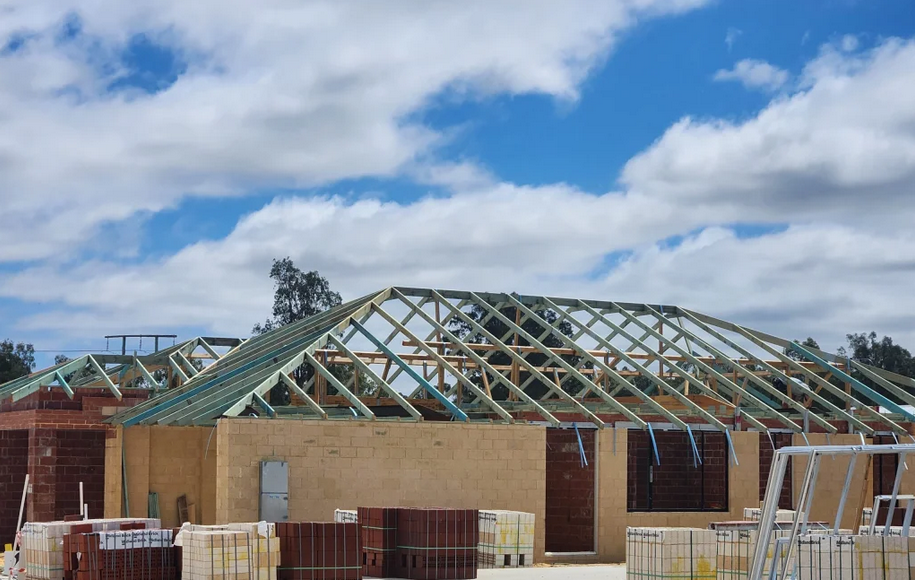
Ordering Structural Pine in Perth rarely goes wrong because the timber looks wrong. Problems start when the grade and treatment on the docket don’t match the approved frame schedule. Asking pointed questions before payment saves rework and site delays.
What does the approved framing paperwork specify?
Start with the paperwork. The engineered framing drawings and frame schedule set the grade, member sizes, spans, and preservative treatment for each application. Builders often refer to AS 1684 for span and connection practice, yet the approval for a specific address is what the certifier checks. A generic description such as framing pine or structural pine does not replace those lines on the schedule.
Ask the supplier to price to the drawing references. That means sheet number and revision date. It also means member callouts, not a verbal summary from site. If anything is unclear, get an answer from the designer before timber is cut or delivered. Substitutions for grade or section need sign-off from a qualified designer. Don’t swap members to suit the truck.
Two questions help here. Does the quote list the same stress grade and hazard level as the drawings for each use? Do the member sizes on the quote match the schedule for walls and floors? Written answers are easier to refer back to than phone conversations.
Keep the paperwork handy.
Keep a copy of the approved schedule with the delivery dockets. When lengths arrive, anyone on site can check marks and sizes against it. If a pack looks different from the quote, hold it aside and call the supplier before fixing starts. It’s cheaper to query a pack on the ground than to pull it out after inspection.
Is the pine machine graded and marked?
Machine grading is central to most pine orders. MGP10 is a machine-graded stress grade tested for stiffness and strength during production. That differs from older visual F-grades, where a grader assesses the piece by eye. Many frame schedules in Perth nominate MGP10 for common members, but the drawings decide for each job. Don’t treat MGP10 as automatic for all plans.
Read More: Upgrade Your Home with Durable Aluminium Door and Window Solutions
Ask what grade is being supplied for each pack and how it can be checked on delivery. Structural pine should arrive with a legible stress grade marking or clear traceability back to grade evidence. Unmarked sticks can’t be tied to a stress grade on site, and a certifier can’t pass what can’t be checked. Color is not proof. Blue tint does not confirm grade, and green tint does not confirm treatment level.
Ask what happens if marks are missing or unreadable. Will packs be swapped before trucks leave? Who pays for downtime if timber is rejected at frame inspection? Clear marks or documents help settle those questions.
Also ask about tolerances and straightness. Timber moves with handling and moisture change, so confirm how actual section is checked and what variance is accepted. A check with tape and calipers on a few pieces tells more than a brochure line. Keep it simple and repeat it on each delivery. Grade stamp clarity at delivery avoids arguments later.
What hazard level is actually being supplied?
Vague talk about treated pine causes failed inspections. Ask for the exact hazard level and where it is approved to go. H2 Blue is made for dry and protected internal framing with termite resistance. H3 CCA-treated pine, often sold as SupaPine CCA, is made for external above-ground framing such as pergolas and verandah frames where the approval allows it. Both need reference to AS 1604.1, which sets the preservative treatment benchmark.
Ask the supplier to state the hazard level for each item on the quote. Internal studs and plates may call for one treatment while exposed beams call for another. Don’t accept a single line that says treated for the whole order. Each use needs an answer tied to the drawings. That detail keeps internal and external uses apart.
Read More: Signs Your Roof Needs Professional Attention
Color helps sorting on site but it is not proof of treatment. Blue tint does not confirm H2 compliance, and green tint does not confirm H3 compliance. Ask for current documents from the treatment maker that state product, hazard level, preservative, and standard compliance. Keep those pages with the frame papers for inspection.
Also ask where CCA-treated stock must not go. CCA has limits around certain uses, and product choice for decking boards, handrails, play equipment, and similar contact uses needs care. Ask the supplier and maker what product is appropriate under current guidance. Don’t guess from old habits. The approved application matters more than color or name.
Do the stated dimensions match the sizes on site?
Size mix-ups are common because timber is sold by name as much as by measure. A callout such as 70 x 35 names the section, yet the piece on the rack has been planed and handled. Ask what the actual section size is at dispatch and how it is checked. Confirm tolerances in writing so site checks have a baseline. Don’t assume the named size and the tape measure will read the same.
Also confirm profile depth where it counts. Drawings may call for 35 mm or 45 mm material in different spots. Thicker members are often shown for load-bearing walls and tall walls, but engineering sets the choice for that job. Don’t swap one for the other without designer approval. A few millimeters change how loads pass and how fixings sit.
Ask the supplier to list both the named size and the actual section size for each item. That pair should line up with the frame schedule. If the schedule names a specific section for a beam or lintel, the delivered section has to match. Close enough does not pass when the certifier tapes it.
Fixings add another check. Brackets and service holes are sized off the schedule, so undersize or oversize pieces slow down fixing and throw out lines, while checking section and straightness saves hours later and keeps walls flat for linings.
What is the moisture content and storage plan?
Moisture content affects whether frames stay straight. Ask if the pine is kiln-dried and what moisture content is expected at delivery. Wet or green stock can shrink and twist in the first weeks after fixing, opening gaps and throwing linings out. Dry and stable stock is easier to fix and keep straight. Don’t accept damp packs without a clear drying plan.
Ask how timber is stored before dispatch and what the site needs to do after drop-off. Pine should sit flat and fully supported under cover with air flow around packs. Don’t stand frames in mud or leave bearers on wet ground. Follow supplier advice and site rules for safe storage and handling with correct straps and lift details.
With the grade, hazard level, dimensions, and documentation aligned with the approved drawings, the next step is to compare a local Structural Pine Perth supplier that has MGP10 Blue H2 for protected internal use and H3 CCA-treated stock for above-ground external use where the approval allows it. Ask about backup stock for the same profiles.
Delivery timing matters too. Freshly delivered pine should not sit for weeks in sun and rain before use. Plan fixing soon after delivery, keeping wraps on until needed and packs off concrete slabs that sweat. If rain hits open packs, allow time for surface drying and recheck straightness before work starts.
What treatment documents come with the delivery?
Verbal assurance does not pass inspection. Ask what treatment documents ship with the load and who issues them. Most certifiers want a batch certificate or preservative treatment statement from the treatment maker, not an invoice note. That page should name product, hazard level, preservative, and standard compliance. Ask for current documents, since older sheets may not match the stock on the truck.
Keep treatment papers with delivery dockets and the frame schedule. If the building surveyor asks for proof during frame inspection, one folder should answer. Note pack numbers or batch links so a question about one wall can be traced back. Traceability matters when timber is questioned.
Ask about field cutting and cut-end protection before saws start. Cutting exposes fresh faces, and some treated products need an in-situ preservative on cut ends to keep the rating. Don’t assume every offcut needs the same step, or that none do. Requirements vary by product and maker, so ask for the maker’s current instructions for the exact stock supplied. Have the right preservative on site if the maker calls for it.
Termite protection needs the same attention. H2 treatment helps protect framing, but it does not replace the site termite system required under AS 3660. Barriers and inspections still apply, along with site practice for moisture and clearances. Ask the builder how framing treatment fits that wider plan and who signs off on it.
What lengths and delivery terms are included?
Lengths and logistics decide waste as much as cutting skill does. Ask what stock lengths are on hand. Common long lengths such as 4.8 m and 6.0 m suit different runs, but availability shifts. Confirm lengths against the frame schedule with the builder, and let the designer rule on joints and spans. Don’t plan joins or spans from a supplier price list.
Ask for delivered quantities in writing, with lengths and pack counts shown. Confirm waste allowance and lead time separately. Actual stock and trucking set dates, not default promises. If site access is tight, flag it early. Narrow driveways, soft verges, low wires, and limited laydown space change truck size and unload method.
Price needs the same detail. Ask for an all-in delivered price per lineal meter for comparison, rather than a per-stick figure that hides extra costs. Check what delivery and unloading include, and what happens if packs arrive short or damaged. A nearby supplier with stock can swap a bad pack fast, while a distant supplier can’t. That backup matters when frames must stay on schedule.
There’s one last check. Ask who to call when bits are missing on the day. A named contact and a backup plan beat a general sales line. Won’t a five-minute call save a lost morning?
Good orders read dull on paper. Grade and treatment line up with the drawings, and sizes and lengths match the schedule. That match is what passes inspection and keeps frames straight after handover.


Leave a Reply
You must be logged in to post a comment.