
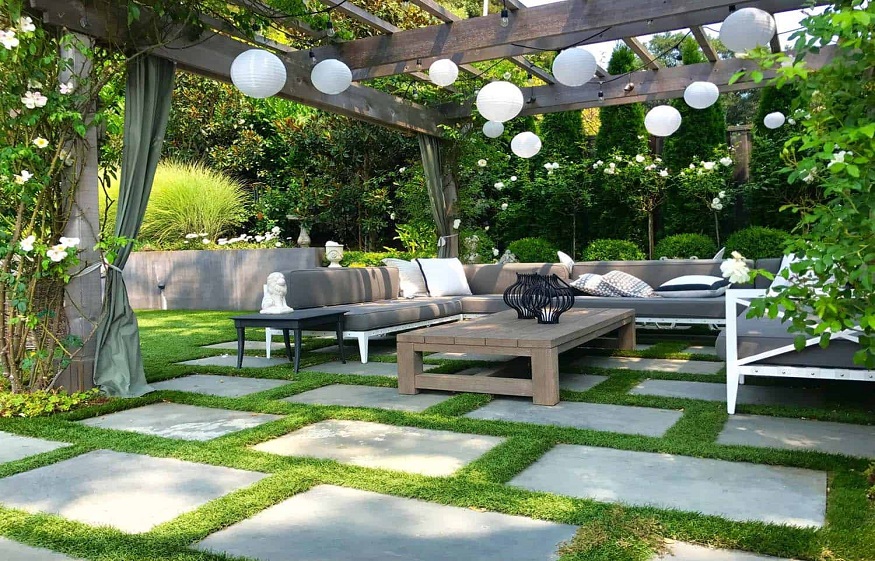
Creating an outdoor space that feels comfortable and inviting doesn’t require a massive budget or designer furniture. The biggest mistake people make is thinking they need to buy everything at once or that cheap automatically means uncomfortable. With some strategic thinking and smart priorities, any outdoor area can become a space people actually want to spend time in.
The key is focusing on what truly makes outdoor spaces comfortable rather than getting caught up in how things look. Comfort comes from practical elements – good seating, adequate shade, convenient surfaces, and protection from elements. Everything else is just decoration.
Start With Seating That Actually Works
Seating determines whether people will hang around or make excuses to go back inside. This is where budget allocation should start because uncomfortable seating makes everything else pointless. The good news is that comfort doesn’t always correlate with price if you know what to look for.
When shopping for outdoor seating, test pieces in person rather than buying based on photos. Sit for several minutes and pay attention to back support and armrest height. A patio chair that provides genuine comfort will see far more use than expensive pieces that look great but feel awkward after twenty minutes.
Budget-friendly seating options include mixing new pieces with existing furniture. Indoor chairs can work outdoors temporarily for gatherings, and older pieces can be refreshed with weather-resistant cushions. Folding chairs store easily and provide extra seating when needed without taking up permanent space.
The secret to affordable outdoor seating is buying fewer pieces of better quality rather than filling space with cheap options that won’t last. Two comfortable chairs that people actually want to sit in beat six uncomfortable ones that get avoided.
Smart Shopping Strategies That Save Money
Timing purchases around sales cycles can cut costs significantly. End-of-season clearances in late summer and early fall offer the best prices on outdoor furniture. Many retailers also have spring sales to clear winter inventory before new collections arrive.
Read More:3 Reasons Homeowners Are Upgrading to Equinox Louvered Roof Systems
Shopping off-season requires storage space but delivers substantial savings. Buying outdoor furniture in November might mean storing pieces until spring, but the price difference often makes storage worthwhile.
Consider purchasing floor models and returned items. These pieces often have minor imperfections or missing accessories but function perfectly well at reduced prices. Ask retailers about scratch-and-dent sales or display model discounts.
Online marketplaces offer opportunities for quality used pieces at a fraction of retail cost. Look for solid materials that can be refreshed with new cushions or a coat of paint. Avoid items with structural damage, but surface wear is usually fixable with minimal investment.
DIY Solutions and Creative Alternatives
Building simple outdoor furniture projects can provide custom solutions at material cost. Basic benches, side tables, and storage boxes use standard lumber and basic tools. Even beginners can handle projects that involve straight cuts and simple assembly.
Repurposing indoor items for outdoor use extends budgets and adds character. Old dining chairs can become outdoor seating with weather-resistant paint and new cushions. Unused indoor tables work perfectly as outdoor surfaces with proper protection.
Concrete blocks and wooden planks create instant seating and surfaces at minimal cost. These combinations can be made permanent with construction adhesive or left modular for easy rearrangement. Add cushions and pillows to make block seating comfortable for longer periods.
Shade solutions don’t require expensive pergolas or awnings. Large umbrellas, sail cloth stretched between trees, or even outdoor curtains hung from simple frames provide relief from sun and wind at budget-friendly prices.
Maximize Value Through Proper Care
Protecting outdoor furniture from weather extends its life significantly and prevents premature replacement costs. Simple covers or storage during harsh weather keeps pieces looking and functioning well for years longer.
Regular cleaning prevents buildup that causes permanent damage. Most outdoor furniture needs only periodic washing with mild soap and water, but doing this consistently prevents staining and deterioration that would require professional restoration or replacement.
Treating surfaces annually with appropriate protectants maintains appearance and function. Wood needs sealing, metal benefits from rust prevention, and fabric requires waterproofing renewal. These maintenance tasks cost little but add years to furniture life.
Repairing minor damage immediately prevents bigger problems. Loose screws, small tears in cushions, or chips in paint can be fixed easily when caught early but become major issues if ignored.
Making Small Spaces Work Harder
Multi-functional pieces maximize limited space and budgets. Storage benches provide seating and organization. Nesting tables offer surface space when needed but tuck away when not in use. Folding or stacking pieces adapt to different situations and group sizes.
Vertical space often gets overlooked in outdoor areas. Wall-mounted shelves, hanging planters, and overhead storage keep essential items accessible without using floor space that’s needed for seating and movement.
Strategic furniture placement can make small areas feel larger and more functional. Angling seating creates conversation zones, while pushing furniture against walls opens central space for movement and activities.
Budget-Friendly Comfort Essentials
Focus spending on items that directly impact comfort and usability. Quality cushions transform basic seating into comfortable lounging areas. Weather-resistant fabrics mean cushions can stay outside without constant maintenance.
Adequate lighting extends usable hours and creates ambiance without major expense. String lights, solar fixtures, and battery-powered options provide illumination without electrical work.
Read More:The Three Signs Your Deck Needs Professional Help (Not Just a Quick Clean)
Side tables and surfaces for drinks and snacks make outdoor spaces functional for real use. Simple solutions work as well as expensive pieces – the key is having convenient surfaces where people need them.
Creating comfortable outdoor spaces on any budget comes down to prioritizing function over appearance and making smart choices about where to invest. Comfort and usability should drive every decision, with aesthetics following naturally from well-chosen, functional pieces that serve real needs.



Leave a Reply
You must be logged in to post a comment.